
As of January 1, the implementation of SB 543 California 2026 has fundamentally rewritten the rules for residential development in the Westside. For homeowners and real estate investors in East Venice and Venice, this legislative shift represents a massive opportunity to increase property density and long-term equity. What was once a subjective, discretionary process fraught with administrative delays has been replaced by a streamlined, Ministerial framework that favors the property owner over local red tape.
At M.E. Development, Inc. – ADU Builders, we specialize in the technical execution of the SB 543 California 2026 mandates. This guide explores how you can leverage current legislation to transform a single-family lot into a sophisticated multi-unit residential compound using the newly protected “unit recipe” and the mandatory 15-day permitting “shot clock.”
- Alt Text:
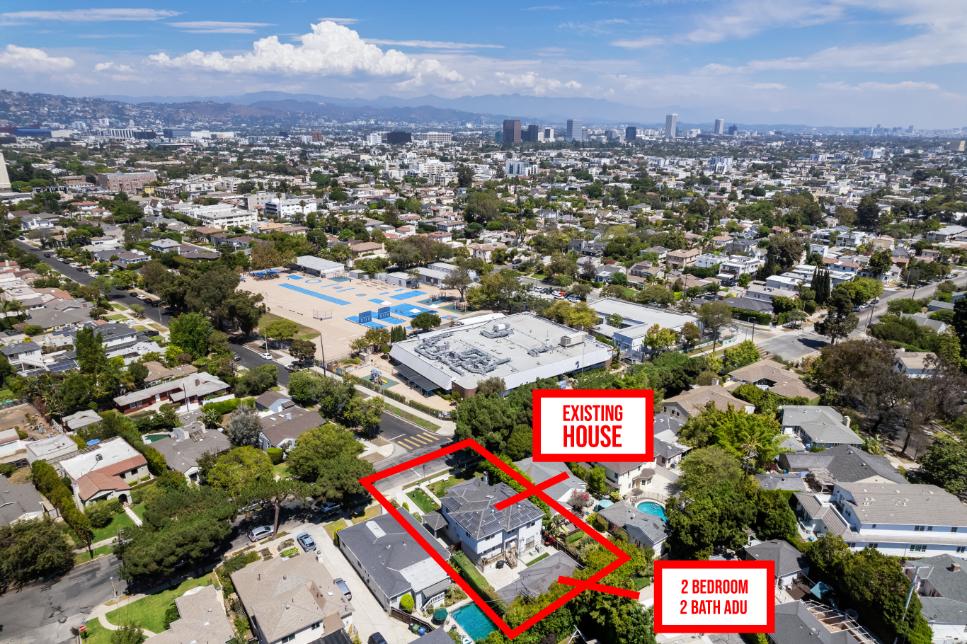
SB 543 California 2026 ministerial code project by M.E. Development Inc in East Venice - Caption:
A premium Westside ADU build maximizing rental yield under the new 2026 guidelines.
1. The Power of Ministerial Approval under SB 543 California 2026
The cornerstone of SB 543 California 2026 is the mandate for Ministerial Approval. Historically, the development of Accessory Dwelling Units (ADUs) in Venice often fell under “discretionary review,” where local planning commissions could delay or deny permits based on subjective concerns.
Ministerial Approval removes the element of “opinion.” It is a non-discretionary process where the local agency must approve a permit if it meets objective building standards. This eliminates public hearings and prevents neighborhood opposition from stalling your project. To see how we’ve navigated these rules on previous sites, explore our completed Westside projects.
2. The 15-Day Statutory “Shot Clock”
Administrative lag has long been the primary obstacle for development. SB 543 California 2026 addresses this by instituting a mandatory 15-business-day response period. Upon submission, the City of Los Angeles has precisely 15 business days to determine if the application is complete. If the city fails to meet this deadline, the application is deemed complete by law, forcing the bureaucracy to move at the speed of the market.
3. The “Triple Threat”: Maximizing Density in East Venice
In the high-stakes East Venice market, maximizing land use is essential. Under current guidance, a standard lot can support a powerful three-unit configuration:
- Primary Residence: The existing or newly constructed main home.
- Accessory Dwelling Unit (ADU): A standalone or attached secondary dwelling. Learn more about our ADU construction services.
- Junior ADU (JADU): A unit of no more than 500 square feet contained entirely within the primary structure’s footprint.
4. Financial Optimization: The Interior Livable Space Rule
A critical technical shift in SB 543 California 2026 is how building area is measured for fees. Development impact fees are now calculated based solely on “Interior Livable Space.” By excluding the thickness of exterior walls, owners can stay below the 750-square-foot threshold for impact fee exemptions, saving between $10,000 to $20,000. Many owners choose to convert their existing footprint through our garage conversion solutions to capture these savings.
5. The Superhost Strategy: Mid-Term Rentals (MTR)
While short-term stays are strictly regulated, the Mid-Term Rental market is thriving. A “Mid-Term Rental” is a stay of 30 consecutive days or more. By targeting traveling professionals and corporate relocations, Venice owners are achieving rental rates 50% to 80% higher than traditional leases. Maintaining a Superhost status ensures your property stands out to these high-value tenants looking for premium Westside accommodations.
6. Navigating Rent Control and Costa-Hawkins
Under the Costa-Hawkins Rental Housing Act, ADUs built under SB 543 California 2026 guidelines are generally exempt from local rent control. This allows owners to adjust rents to market rates annually, providing a crucial hedge against inflation. For common investor concerns regarding these units and their impact on your primary residence, visit our FAQ page.
Conclusion: Partnering for Success
The SB 543 California 2026 regulatory environment has created a unique opportunity for residential development. Successfully navigating the intersection of state law and local building codes requires the expertise of a seasoned builder who understands the nuances of the Westside.
M.E. Development, Inc. is committed to delivering high-performance, architecturally significant dwellings. Contact us today for a free Westside consultation and take the first step toward securing your property’s future. For additional research, consult the official HCD ADU Handbook.